Silent and Steady: How Trolling Motors Transform Your Boating Experience
Trolling motors have emerged as indispensable equipment for contemporary water sports enthusiasts. They provide silent navigation, permitting anglers to traverse fragile habitats with minimal impact. This noiseless performance achieves more than just lowering acoustic interference; it also enhances fishing success by attracting more fish. As anglers prioritize performance and ecological awareness, understanding the advantages and features of trolling motors becomes vital. Which elements deserve careful evaluation prior to selecting a model?
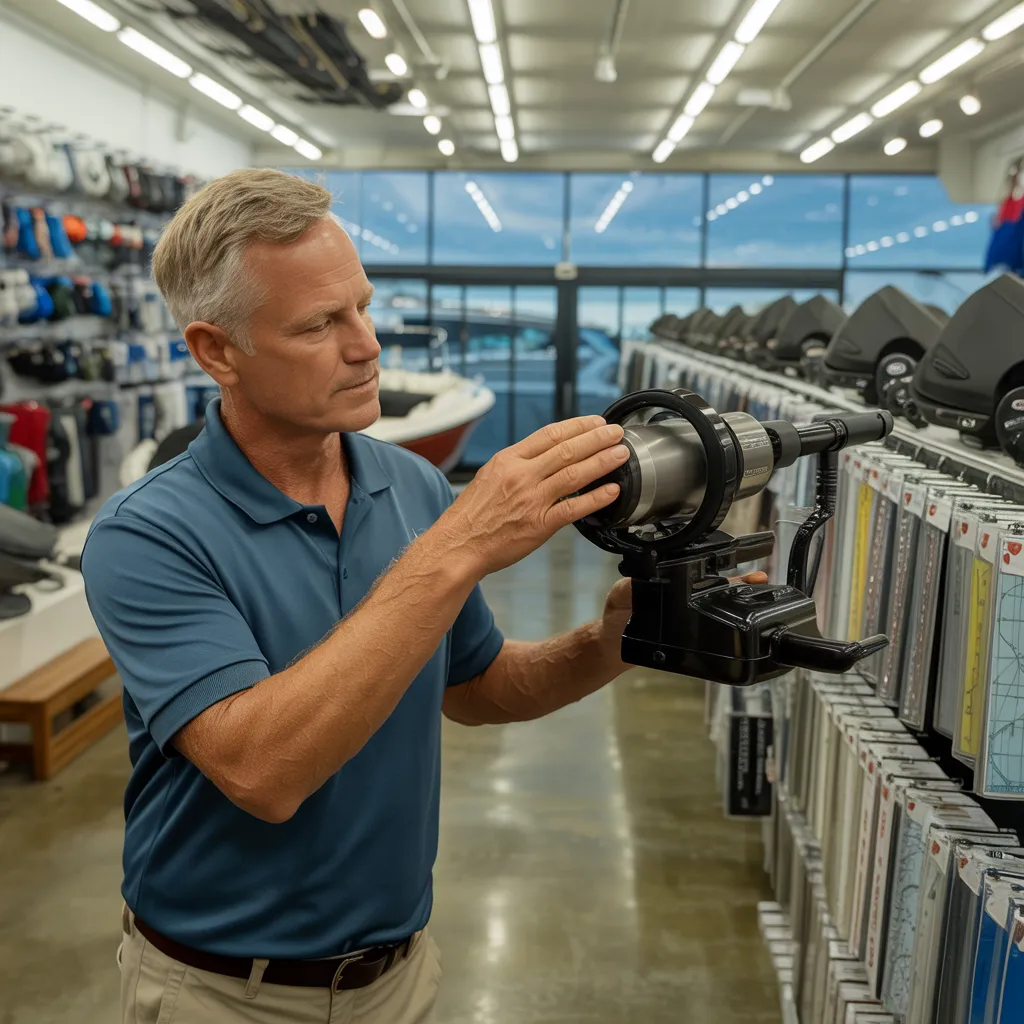
The Advantages of Using Trolling Motors for Boating
Trolling motors deliver significant advantages for boat owners, particularly when precision and stealth are essential. These motors provide a quieter operation compared to standard outboard propulsion systems, permitting boaters to travel through fragile ecosystems without disturbing wildlife. Their capacity to sustain a consistent, controlled pace is ideal for various activities, including navigating confined waterways and discovering new areas.
Furthermore, trolling motors are frequently highly energy-efficient, prolonging battery life throughout outings. Such efficiency makes longer excursions possible without the necessity of frequent recharging. The versatility of trolling motors allows for easy installation on various types of boats, including everything from modest fishing boats to sizable recreational craft.
Furthermore, numerous models come fitted with advanced features such as autopilot capabilities and GPS navigation, improving overall maneuverability. Consequently, these motors not only optimize navigational control but also support a more pleasant and eco-friendly boating experience for boating enthusiasts.
Ways Trolling Motors Improve Fishing Experiences
The benefits of trolling motors reach further than general boating, considerably elevating fishing experiences. These motors offer fishermen accurate command of their boat's velocity and heading, permitting ideal positioning near fish-rich areas. The quiet operation of trolling motors minimizes disturbances in the water, increasing the likelihood of luring fish that would otherwise be disturbed by traditional engines.
Moreover, the capability to keep a controlled and consistent pace empowers fishermen to carry out various methods, such as slow trolling or casting, with increased precision. Trolling motors also facilitate smoother navigation in tight spots, such as shallow coves or beneath submerged formations, which are frequently ideal fishing spots. This flexibility permits anglers to discover a range of habitats with confidence. Ultimately, the integration of trolling motors into angling excursions plays a major role in delivering a notably efficient and pleasurable experience on the water.
Why Trolling Motors Are Great for the Environment
Although numerous boating enthusiasts focus on performance and convenience, the ecological advantages of trolling motors are just as important. These electric motors operate quietly and efficiently, minimizing noise pollution that can disturb aquatic life. As opposed to standard gas-powered engines, trolling motors generate no emissions, reducing harmful pollutants that contribute to water quality degradation.
In addition, their minimal energy consumption means that users can benefit from extended outings without depleting battery resources swiftly. This performance supports a sustainable approach to boating, empowering enthusiasts to venture through nature without leaving a significant carbon footprint.
Trolling motors additionally support conscientious fishing behavior by allowing fishermen to traverse fragile ecosystems without creating disturbance. Their smooth performance aids in protecting fragile aquatic environments, ensuring that waterways remain pristine for future generations. As trolling motors become more widely used among boaters, the cumulative effect can lead to improved water ecosystems, establishing them as an attractive selection for nature-aware recreational anglers.
Essential Features to Consider When Choosing a Trolling Motor
When selecting a trolling motor, several critical features demand attention. The motor's power and thrust levels dictate overall performance, while battery life affects usability on the water. Additionally, the available shaft length choices can influence how well the motor performs across different fishing environments.
Engine Output and Thrust
Thrust and motor power are essential considerations when choosing a trolling motor, as they fundamentally affect a boat's efficiency and control on the water. Measured in pounds, thrust defines how well a motor propels a boat through water while countering wind and current resistance. Generally, a higher thrust rating allows for better control and responsiveness, especially in larger or heavier boats. Additionally, motor power, typically indicated in horsepower or watts, affects the speed and efficiency of operation. Choosing the right balance between thrust and motor power guarantees peak performance tailored to specific boating needs, whether for fishing in calm waters or steering through challenging conditions. Familiarizing oneself with these specifications empowers boaters to elevate their overall enjoyment and effectiveness on the water.
Battery Duration Considerations
Battery life elements play a vital role in the overall effectiveness of a trolling motor, as they determine how long a boat can operate without needing a recharge. When selecting a trolling motor, the battery type—whether lead-acid or lithium-ion—influences both output and durability. Lithium-ion batteries generally provide extended life cycles and reduced weight, improving handling. explore this topic Furthermore, assessing the amp-hour rating gives an understanding of how extensively the trolling motor can function at varying thrust settings. It is also necessary to factor in the motor's efficiency and the boat's weight, as these factors influence battery consumption. Understanding these elements allows boaters to make informed decisions, ensuring an uninterrupted and enjoyable experience on the water.
Shaft Length Varieties
Choosing the appropriate shaft length is critical for optimizing a trolling motor's efficiency. The shaft length plays a key role in how well the motor functions in different water conditions. Generally, longer shafts are recommended for challenging or deeper water environments, as they guarantee the propeller keeps submerged and preserves thrust. On the other hand, shorter shafts are suitable for shallow water environments, providing superior control and maneuverability.
When choosing a trolling motor, it is essential to consider the boat's transom measurement and the projected water depth. A proper fit prevents cavitation and enhances efficiency. Manufacturers generally supply various lengths, usually ranging from 30 to 60 inches, permitting users to decide based on their particular boating preferences and situations. At the end of the day, the appropriate shaft length greatly enhances a smoother, more productive boating experience.
How to Keep Your Trolling Motor in Top Shape
Maintaining a trolling motor is important for superior operation and lifespan. Consistent inspection and upkeep, along with correct battery upkeep and storage methods, are essential for ensuring its dependability. By applying these recommendations, watercraft operators can boost the durability and efficiency of their watercraft motors.
Routine Inspection And Cleaning
Routine inspection and maintenance of a trolling motor are critical for optimal performance and long-term durability. As time passes, debris, algae, and corrosion can build up, adversely impacting the motor's performance. Scheduled checks ought to encompass assessing the propeller for wear and verifying that it turns without restriction. The motor's outer casing should be thoroughly cleaned to clear away any deposits, while the electrical connections need to be examined for rust or degradation. In addition, the shaft should be carefully maintained to ward off corrosion and promote uninterrupted performance. After each outing, rinsing the motor with freshwater is advisable, especially if used in saltwater. By maintaining a regular inspection and cleaning schedule, boaters can enhance their trolling motor's reliability and extend its lifespan considerably.
Battery Care Guidelines
Routine battery maintenance is key to preserving the durability and functionality of a trolling motor. Consistently examining battery connections for corrosion is important, as clean terminals support effective power delivery. It is recommended to maintain the battery's charge, avoiding complete discharge, to prolong its service life. Furthermore, utilizing a high-quality battery charger suited to the particular battery type can help avoid overcharging, which may cause damage. Maintaining the battery's water levels is also important; distilled water should be added as needed for lead-acid batteries. Finally, storing batteries in a cool, dry environment can help prevent premature wear and degradation. Applying these maintenance practices will greatly enhance the consistent functionality of a trolling motor.
Essential Storage Guidelines
Appropriate storage habits are critical for maximizing the longevity of a trolling motor and guaranteeing optimal performance. To optimize longevity, it is important to completely clean the motor after each outing, removing any debris and saltwater. For proper storage, it is advisable to store the motor in a dry, climate-controlled space to protect against corrosion and deterioration. The propeller ought to be detached and kept separately to avoid unintentional engagement. Furthermore, removing the battery and keeping it in a cool location can significantly reduce battery deterioration. Frequent examinations for signs of wear can help detect potential problems before they worsen. By adhering to these recommendations, boat owners can preserve their trolling motors, ensuring reliability on future outings.
Gas vs. Electric Trolling Motors: Which Is the Right Choice for You?
When selecting between electric trolling motors and gas-powered alternatives, you may find yourself wondering which choice best suits their specific boating requirements. Electric trolling motors are known for their quiet operation and environmentally friendly nature, making them well-suited for angling in calm waters where silence is key. They are commonly more straightforward to use and upkeep, as they demand nothing more than recharging the battery. However, their reach can be restricted by the available battery charge.
In contrast, gas-powered trolling motors provide greater power and extended running times, making them ideal for larger vessels or lengthy excursions. They are capable of managing harsher conditions and frequently deliver superior thrust. Yet, they come with drawbacks, including noise, emissions, and more complex maintenance requirements.
At the end of the day, the selection copyrights on the sailor's specific needs, including the type of water, length of excursions, and individual priorities concerning ecological impact and upkeep.
Questions We Often Receive
Can Trolling Motors Be Installed on Any Kind of Boat?
Trolling motors can be used on a wide range of watercraft, such as fishing boats, pontoon boats, and small crafts. However, compatibility depends on the boat's size, weight, and intended use, necessitating thoughtful consideration for optimal performance.
How Quick Can a Trolling Motor Travel?
Trolling motors generally achieve speeds of anywhere from 3 to 5 miles per hour, based on the specific model and vessel type. These motors emphasize quiet performance and accuracy rather than speed, making them ideal for fishing and leisurely activities.
Is a Special Battery Needed for Trolling Motors?
Trolling motors commonly demand deep-cycle batteries, engineered for prolonged discharge cycles. These batteries guarantee peak performance and longevity, as they provide steady power throughout long durations, unlike ordinary batteries that tend to run out too fast.
Is Installing a Trolling Motor Simple?
Trolling motors are generally quite simple to install, depending on the model and the boat type. Most come with clear instructions, while some may require basic tools and a bit of mechanical skill for ideal setup.
What Is the Average Life Expectancy of a Trolling Motor?
The standard lifespan of a trolling motor system typically ranges from ten to fifteen years, subject to maintenance, usage, and environmental conditions. Consistent care can significantly extend its lifespan and effectiveness in diverse boating environments.